

Richardson · North Central Expressway

Every step, better supported.

Recovering from a foot or ankle injury, getting steadier on your feet, or helping someone you love do the same? We'll help you understand the walking aids and supports that fit — and walk you through each step to get there.

  • Walking aids
  • Foot & ankle support
  • Clear next steps
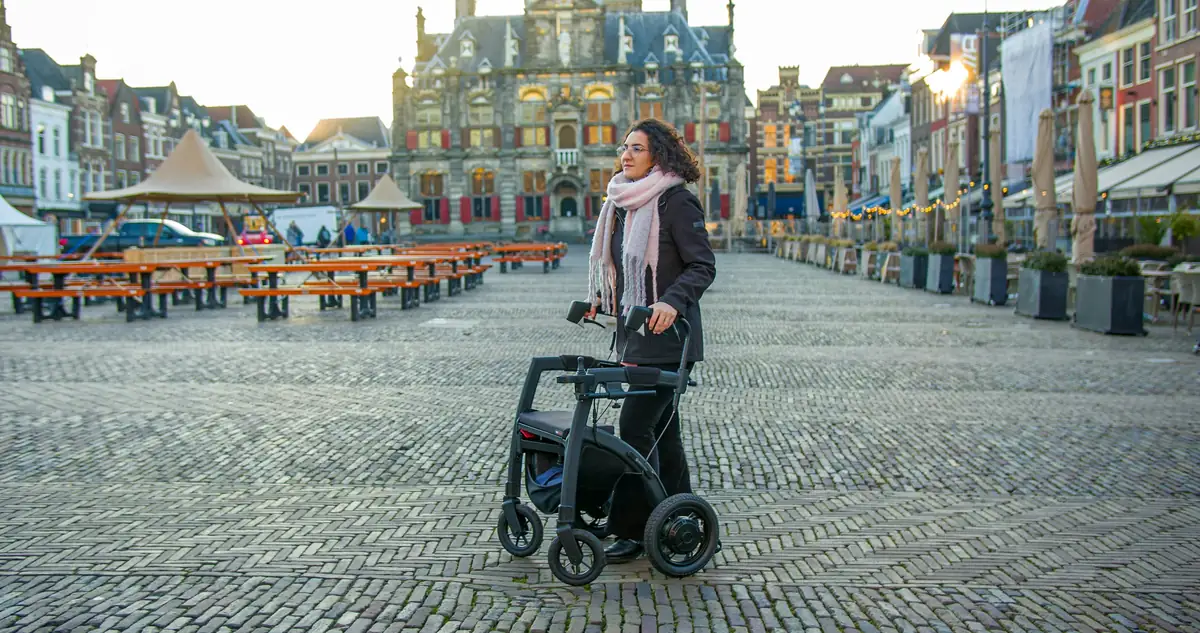
A woman standing with her rolling walker beneath tall park trees
A paved walking path curving through a sunlit park
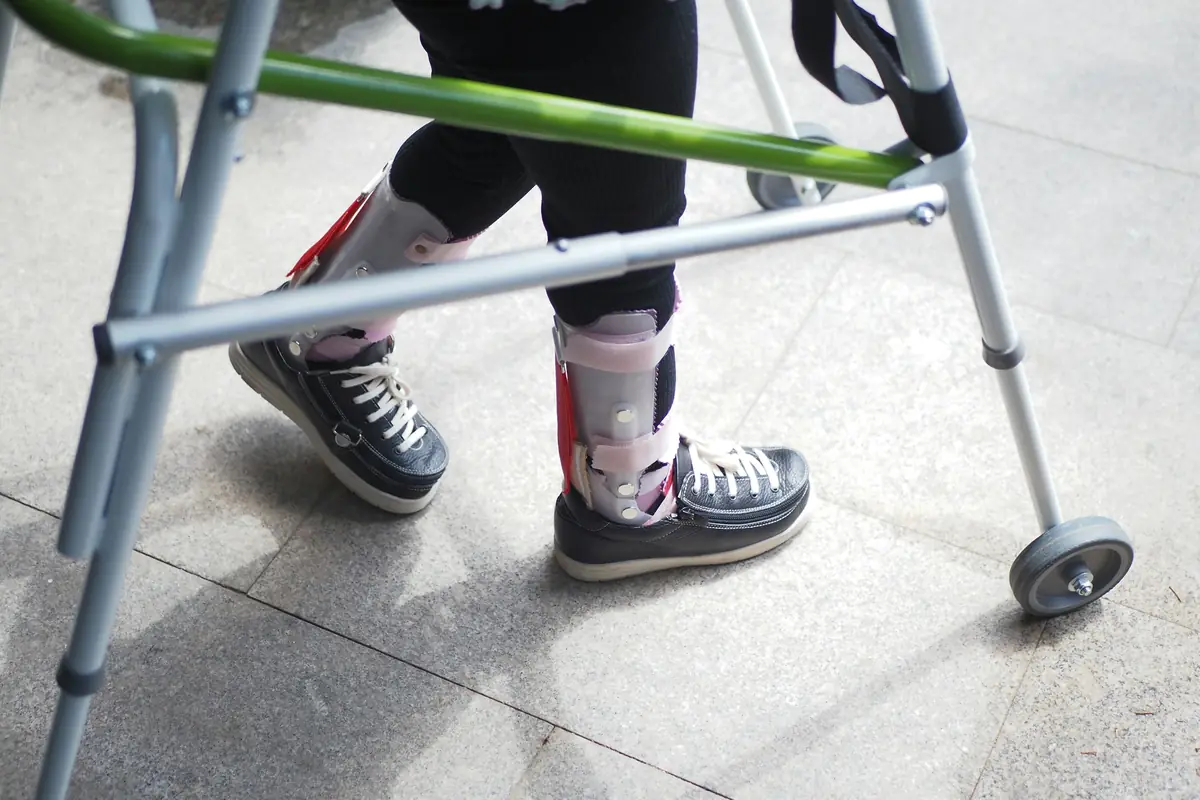
A person in a walking boot steadying their steps with a wheeled walker
Two ways we help

Find your footing

Most of what we do falls into two families. Start with whichever sounds closest to your situation.

Equipment Steps

Five steps from question to confident walking

Here's how getting a walking aid or support usually goes — and exactly what we'll need from you at each step.

  1. Start with the people who know your recovery Your doctor, podiatrist or physical therapist decides what kind of support you need and how much weight your foot or leg can take. That guidance shapes everything that follows.
  2. Put the recommendation in writing Many walking aids and supports need a written order, especially when insurance may help pay. The order describes the item and why it's needed.
  3. Understand coverage before anything else Some categories may be covered by Medicare, Medicaid or private insurance when medically necessary and properly documented. We'll help you understand the general process; your plan makes the final decision.
  4. Get the height, size and adjustments right A walking aid or brace only helps if it fits. We'll explain how sizing works, what to measure and how to adjust handles, pads and straps safely.
  5. Keep checking as you progress Recovery moves. You may go from a knee scooter to crutches, or from a walker to a cane. Call us when something feels off, wears out or no longer matches your clinician's plan.
Fit & safety

Small adjustments, steadier steps

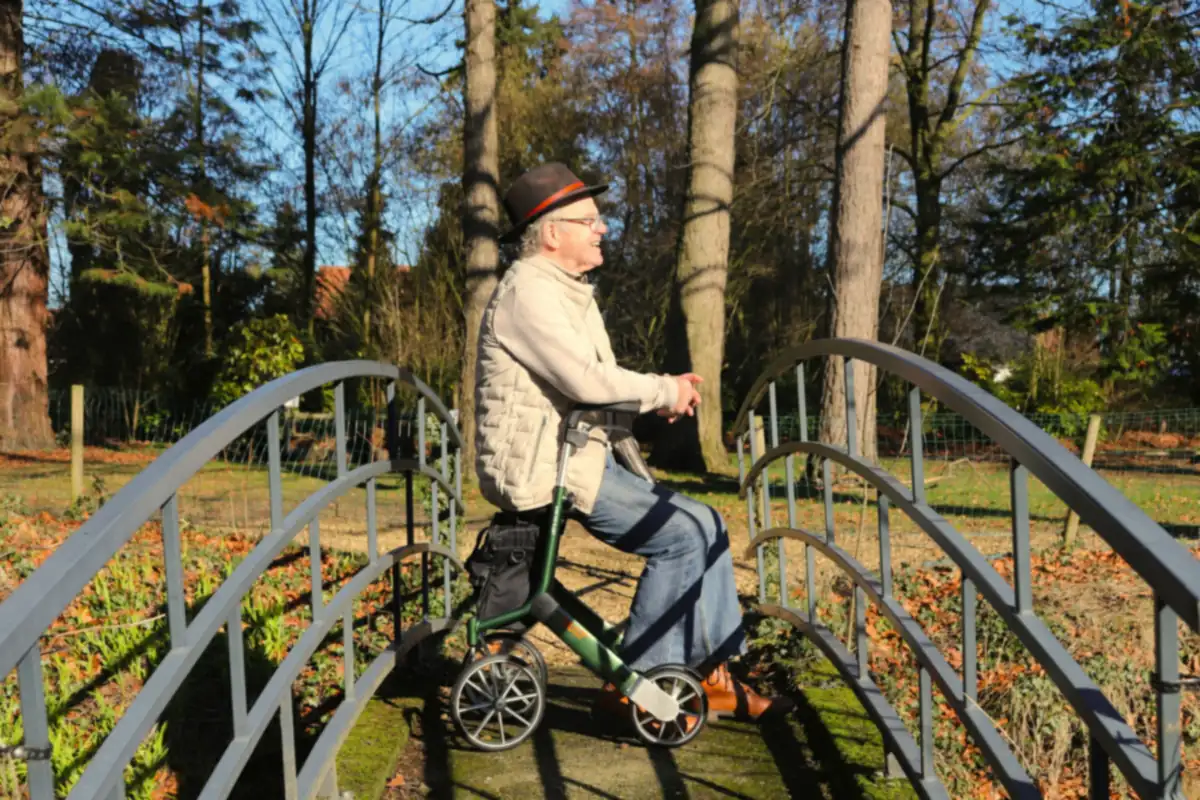
A man pushing a rollator across a small arched footbridge
Quick tips

Three fit checks you can do today

A few seconds of checking can make walking aids safer and more comfortable. These are general tips — always follow your therapist's instructions first.

  • Stand tall: handles should meet the crease of your wrist
  • Elbows should bend slightly when you hold the grips
  • Look for worn rubber tips and loose brakes
Read the fit & safety guide

A note on coverageMany walking aids and supports may be covered by Medicare, Medicaid or private insurance when medically necessary and properly documented. Plans vary and the insurer decides — we're glad to explain what questions to ask.

Visit or call

On North Central Expressway in Richardson

Supra Stride LLC
2435 N Central Expressway
12th Floor
Richardson, TX 75080
Call ahead and we'll find a good time to talk through fit, sizing and next steps.

We're on the 12th floor at 2435 N Central Expressway, serving Richardson, Plano, Garland, Addison, Wylie and nearby Dallas neighborhoods.

  • Plano
  • Garland
  • Addison
  • Dallas
  • Wylie
  • Carrollton

Ready for your next step?

Tell us where you are in your recovery or what's getting harder. We'll help you figure out what comes next.