Support from the ground up
Foot and ankle injuries change how you move through the whole day. Here's an overview of the support categories we help with, and how they fit into recovery and everyday stability.
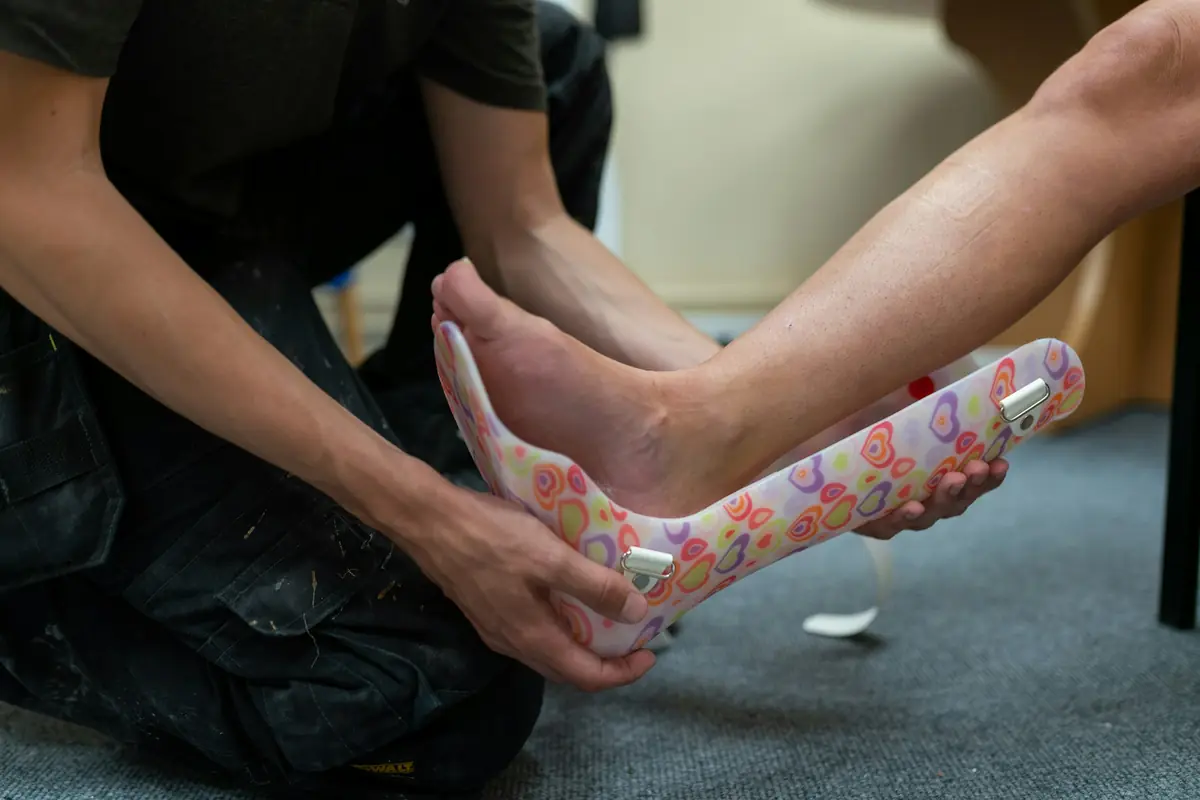
Stability without the guesswork
Ankle braces range from soft sleeves that offer light compression to lace-up and hinged designs that limit side-to-side rolling. Some people wear one while a sprain heals; others wear one during activity to feel more secure.
Fit matters a lot. A brace that's too loose won't help, and one that's too tight can rub or restrict circulation. We'll explain how sizing usually works and how to put a brace on so it sits correctly in your shoe.
Think about your shoes, too. Bulky braces may need a shoe with a wider opening or removable insole, while low-profile sleeves fit most everyday sneakers. If you'll wear the brace for sports, tell us the activity so we can explain which styles are usually chosen for it.
- Compression sleeves
- Lace-up ankle supports
- Stirrup and hinged braces
- Night splints (when your clinician recommends one)
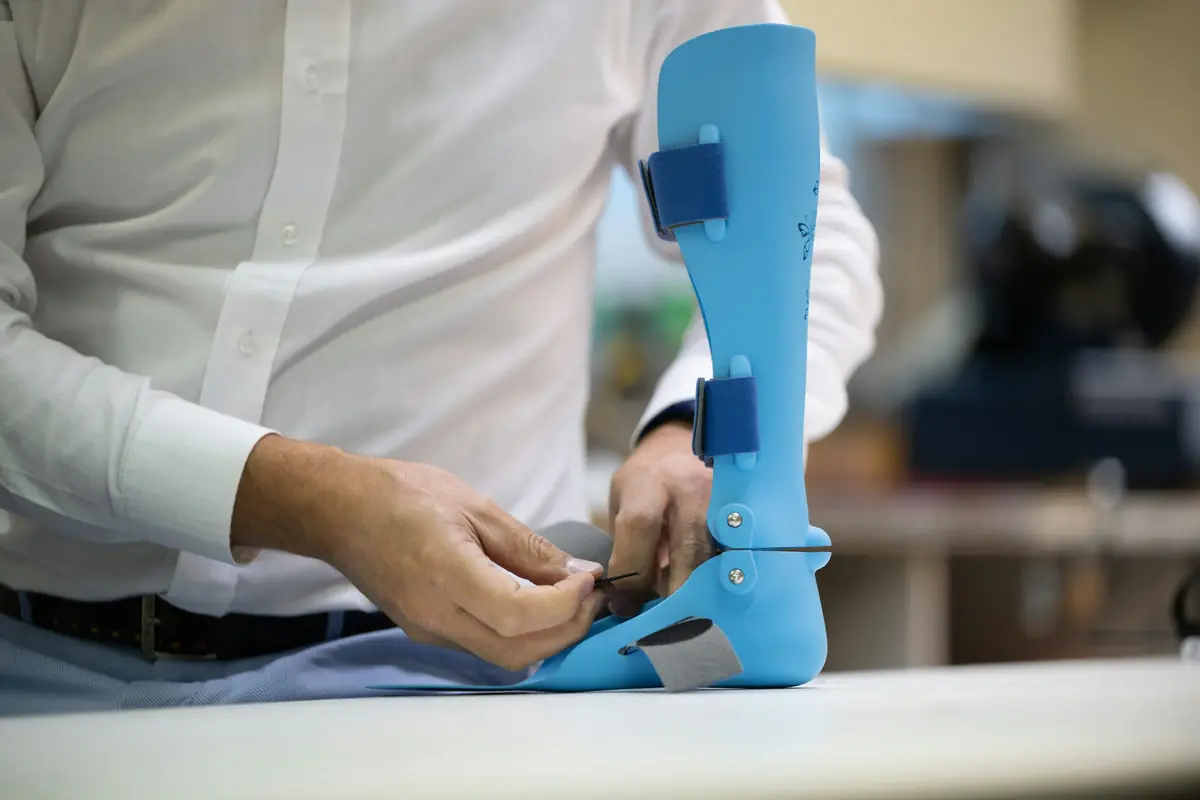
Protecting the foot while it heals
After a fracture, surgery or a bad sprain, your clinician may recommend a walking boot to protect the foot and ankle while you move. Tall and short boots cover different areas, and some use air bladders for a snug fit.
Offloading means taking pressure off a specific part of the foot. Depending on your clinician's plan, that may involve a boot, special inserts, a post-op shoe, or keeping weight off the foot entirely with crutches or a knee scooter.
- Tall and short walking boots
- Post-op and offloading shoes
- Heel and forefoot offloading options
- Cast covers and protective accessories
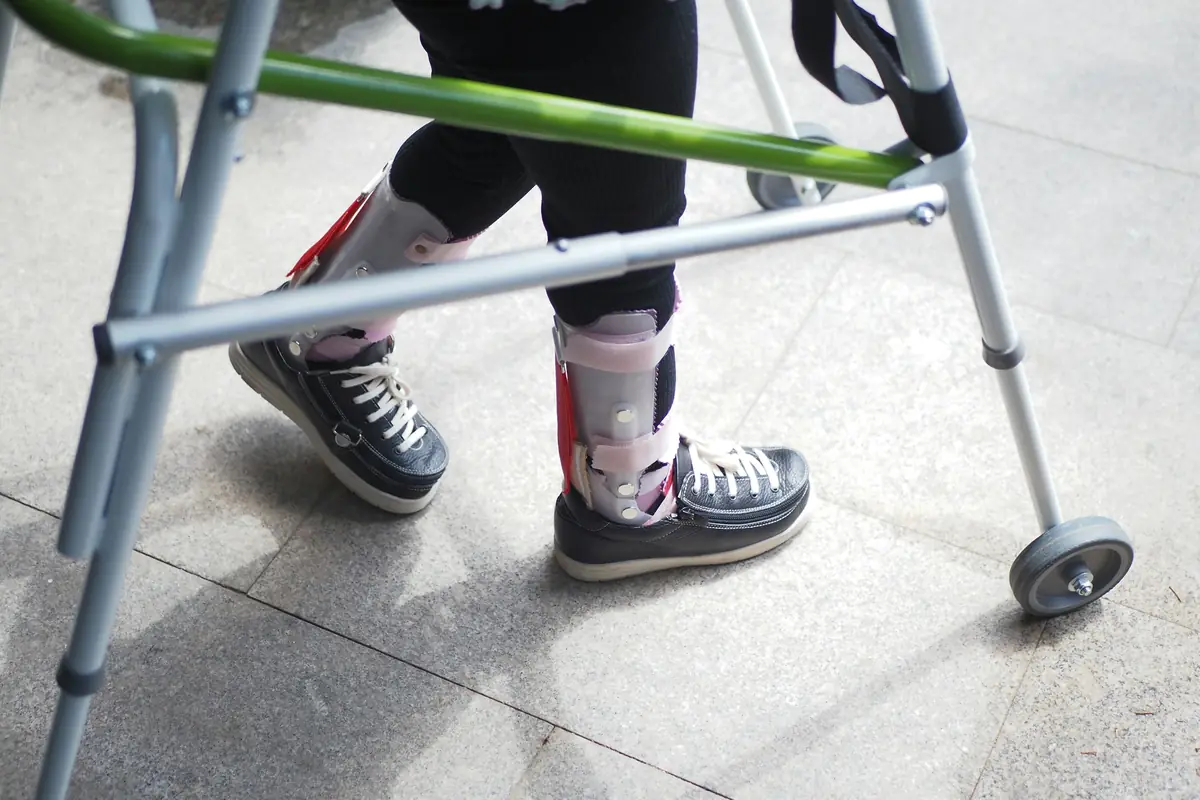
For the long walk after recovery
- Comfort
Supportive insoles
Cushioning and arch support inserts — ask your clinician which style suits your feet.
- Cushion
Heel cups & pads
Extra cushioning where heels take the most impact.
- Circulation
Compression socks
Light compression for tired legs, when your clinician agrees it's right for you.
- Recovery
Cold therapy wraps
Reusable wraps designed to fit the ankle and foot.
Living with a boot or brace
A walking boot changes your stride. Because the boot adds height to one side, some people feel uneven through the hips and lower back. Ask your clinician whether a shoe-height leveler for the other foot makes sense, and take shorter steps at first.
Plan your day around the support: a shower plan if the boot must stay dry, a sturdy chair for putting it on, and extra time to get places. Keep the straps clean and check that pads haven't flattened. When your clinician says it's time to transition out of a boot, a brace or supportive shoe often bridges the gap — we can help you understand those options too.
Your clinician leadsWe help you choose, size and use supports. We don't diagnose injuries or recommend treatment. Please follow your doctor's, podiatrist's or therapist's instructions about weight-bearing and wear time.
Podiatry and PT offices
Clinicians can reach us through the contact form by choosing “Podiatry or PT office,” or by calling directly. Tell us what you've recommended and how the patient prefers to be contacted, and we'll keep things clear and simple for everyone.
Have a brace or boot recommendation?
Call and tell us what your clinician suggested. We'll walk you through sizing and next steps.